When an articulating boom fits the job
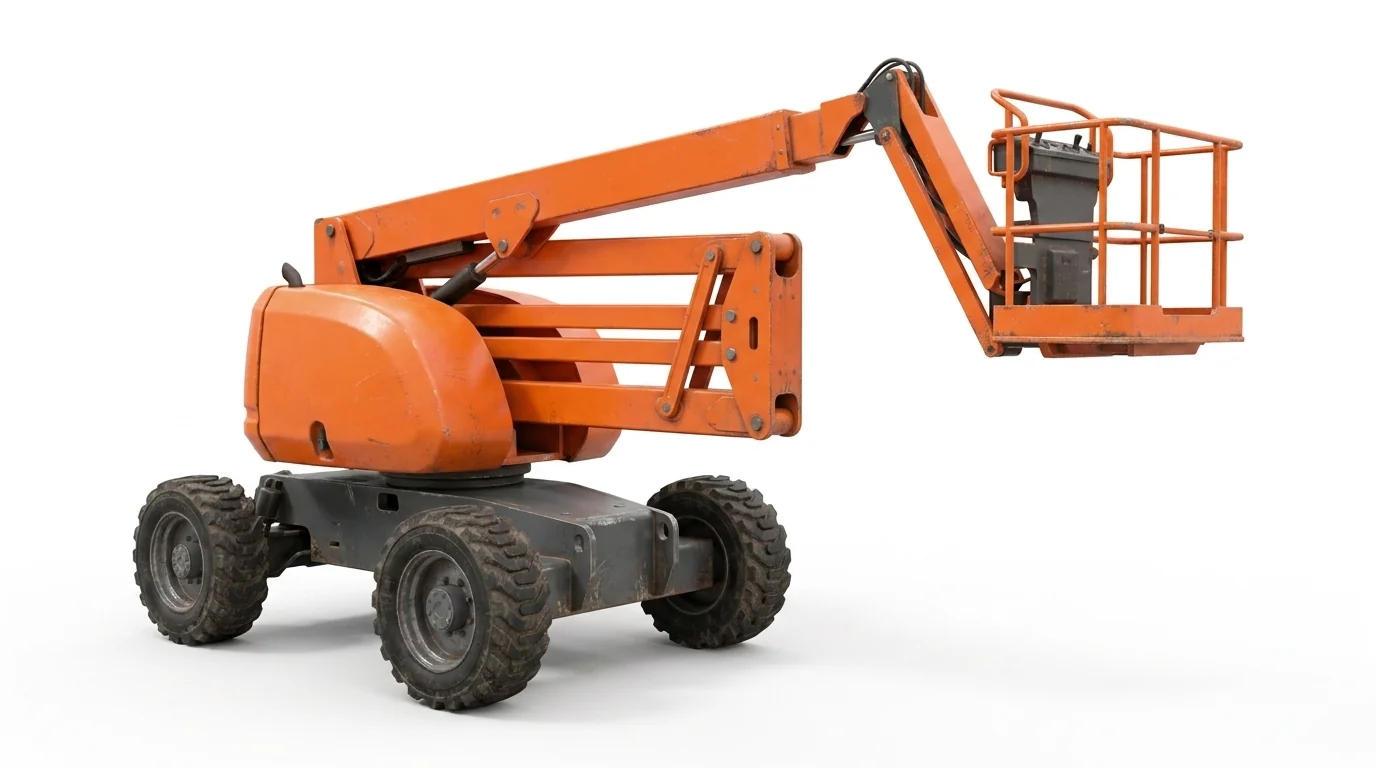
Articulating sections reach up-and-over where straight lines fail—under soffits, around chiller lines, and inside congested service courts. In McAllen, maintenance teams often need to clear pipe bridges, mezzanine guardrails, and cold-storage headers. If the work area is hemmed in by racking, duct drops, or canopy steel, an articulating boom usually narrows the working envelope.
Key planning points: - Obstruction map: beams, racks, and utilities that block a straight path - Setback distance: can the base sit safely away from fragile surfaces or traffic aisles? - Platform task: tools, small parts bins, and lighting heads change platform capacity needs
Power source and the regional climate
The regional climate pushes long, hot shifts. High humidity and heat can shorten electric duty cycles and stress hydraulic systems. For indoor work near moisture-prone cold-storage doors, electric models with non-marking tires limit fumes and floor wear, but expect conservative charging windows in non‑climate‑controlled bays. For exterior tasks after seasonal storms, 4WD rough‑terrain units with foam-filled or air-filled tires handle soft loam and saturated subgrades better than light electrics.
Surface and approach
McAllen soils are generally well-drained loams, yet saturated pockets form after heavy rain and around landscaped perimeters. If the base must cross unpaved aprons or construction fill, plan for rough‑terrain articulation, higher ground clearance, and outriggers where specified by the model. On finished concrete inside high‑velocity logistics buildings, compact electric articulating booms with tight turning radii reduce aisle disruption.
Height, reach, and envelope
Consider three measurements together: - Working height needed above the highest obstruction - Horizontal reach to clear the obstacle and still land on target - Jib articulation for final positioning under roof steel or above conduit trays
If the machine must “pop” over a parapet and then descend behind it, articulating geometry is typically more efficient than a straight boom of similar height.
Related categories
- For long, unobstructed exterior lines, see /telescopic-boom-lift-rental/
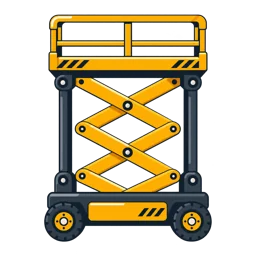
- For slab-height work with smaller footprints, see /electric-scissor-lift-rental/ and /vertical-mast-lift-rental/
- Explore other options at /boom-lift-rental/ and /aerial-lift-rental/
McAllen use cases
- Facility care in expanding medical buildings with dense MEP overhead
- Warehouse lighting and sensor installs above high‑rack inventory corridors
- Exterior signage and canopy repairs where set-back distance is limited
Actual conditions, the selected unit’s instructions, and site procedures govern final suitability.