Fit the machine to the aisle and the task height
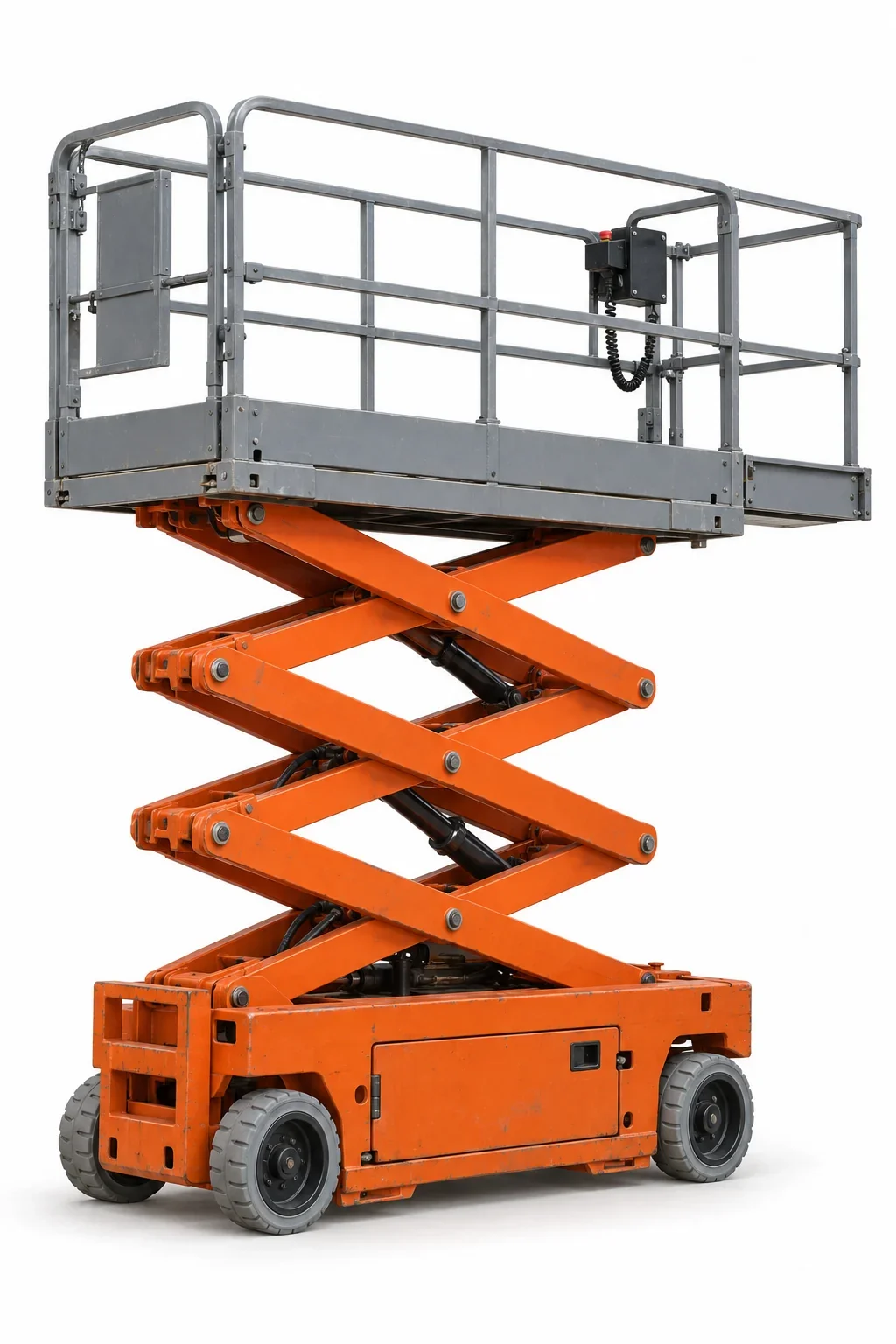
Start with the maximum working height, then confirm the narrowest aisle and doorway on the route. Compact slab scissors are built to pass through standard doors and navigate tight picking lanes while offering steady vertical access.
- Platform height: match to the highest fixture, pick face, or conduit run, allowing room for tools and body stance.
- Machine width: verify the tightest aisle, column spacing, and any rack protectors.
- Floor load and thresholds: check slab ratings, dock plates, and transitions into cooler or freezer rooms.
Why McAllen’s humidity matters for electric lifts
Extended heat and moisture in non‑climate‑controlled spaces raise battery and hydraulic temperatures. That can shorten effective runtime and stretch charging cycles on busy days. Planning shifts around charging opportunities, and staging lifts in ventilated areas, helps preserve performance. In cold‑storage work, moving from chilled rooms to warmer docks creates condensation; machines with moisture‑resistant components are better suited for that duty cycle.
Common indoor use cases
- High‑density storage: narrow‑width slab lifts for tight turns between racks.
- Food and cold storage: non‑marking tires, sealed electrics, and consistent low‑speed control near sensitive product.
- Commercial maintenance: quiet operation for occupied offices, clinics, and retail corridors.
When an electric scissor isn’t enough
If the task sits behind conveyors, ductwork, or mezzanine edges, you’ll need outreach from a boom. Compare at /boom-lift-rental/ or review options at /aerial-lift-rental/. For very tight, single‑person access, a mast unit may fit; see /vertical-mast-lift-rental/ if available on your project.
Specs that often decide between similar models
- Turning radius and wheelbase length for cross‑aisle maneuvers.
- Guardrail height and folded dimensions for doorways and low headers.
- Non‑marking tire requirement on finished floors.