Start with the reach problem
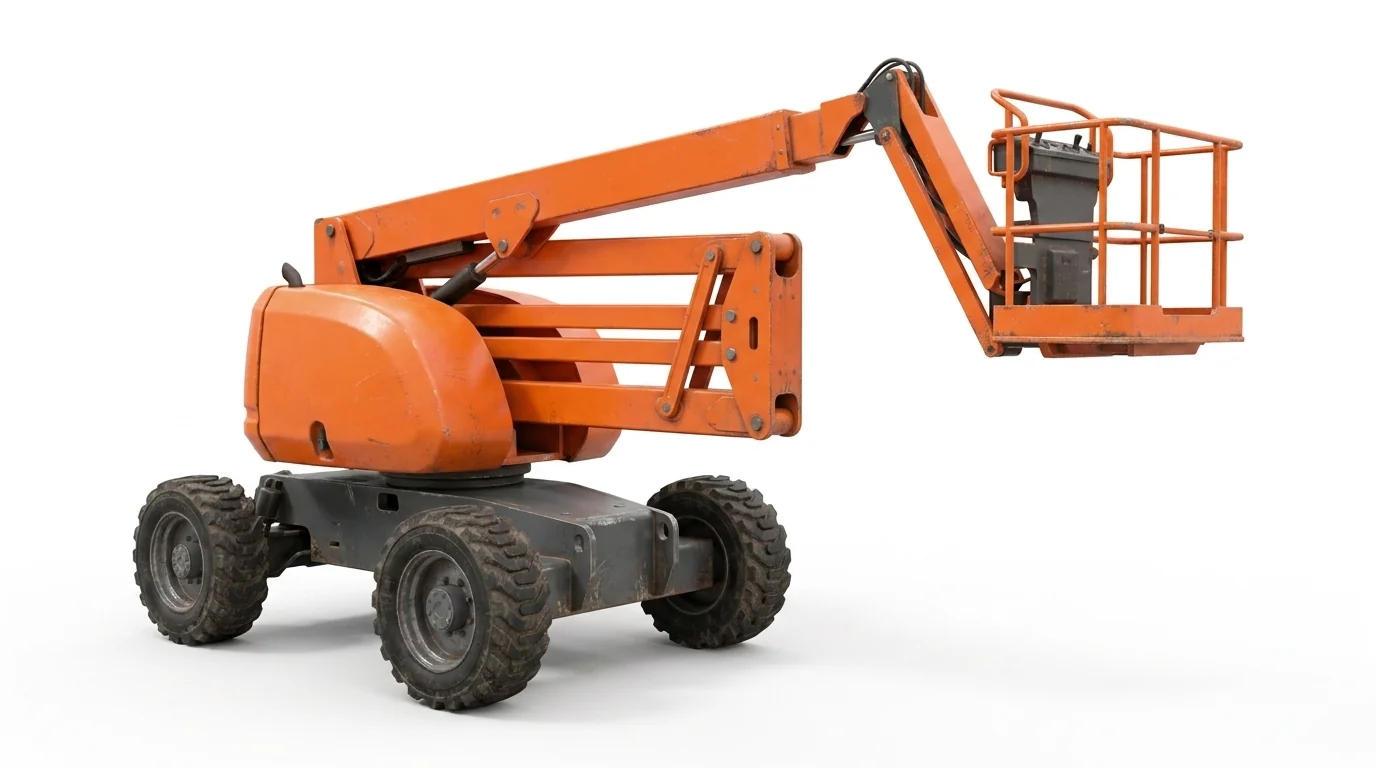
- Articulating boom: jointed sections reach up and over conveyors, mezzanines, and façade projections. Ideal when the base can’t sit directly below the task.
- Telescopic boom: straight sections provide longer horizontal reach for open elevations and wide setbacks.
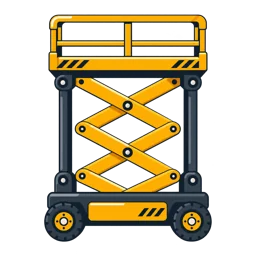
If the work is only vertical and the machine can sit under the task, a scissor may be simpler. Compare at /aerial-lift-rental/.
How McAllen conditions influence boom selection
- Heat and humidity: sustained warmth increases cooling demand on engines and hydraulics. Expect conservative duty cycles during peak afternoon hours.
- Soil and surface: compacted fill and occasional soft spots push toward rough‑terrain drive, foam‑filled or lugged tires, and higher ground clearance for outdoor booms. Finished interiors require non‑marking options and electric or hybrid power where air quality matters.
Measurements that narrow the model
- Required horizontal reach vs. platform height for the farthest point.
- Machine width and tail swing for tight yards and around racking.
- Gate and doorway clearances from staging to work.
- Weight limits on pads, ramps, and dock plates.
Typical McAllen boom scenarios
- Exterior envelope work with setbacks from landscaping or loading lanes.
- Up‑and‑over access around process equipment or pipe runs in industrial spaces.
- Signage and lighting maintenance where outreach avoids traffic lanes.
For strictly indoor vertical work in narrow aisles, see /electric-scissor-lift-rental/. For outdoor vertical work with larger decks, see /rough-terrain-scissor-lift-rental/.