When a straight boom is the efficient answer
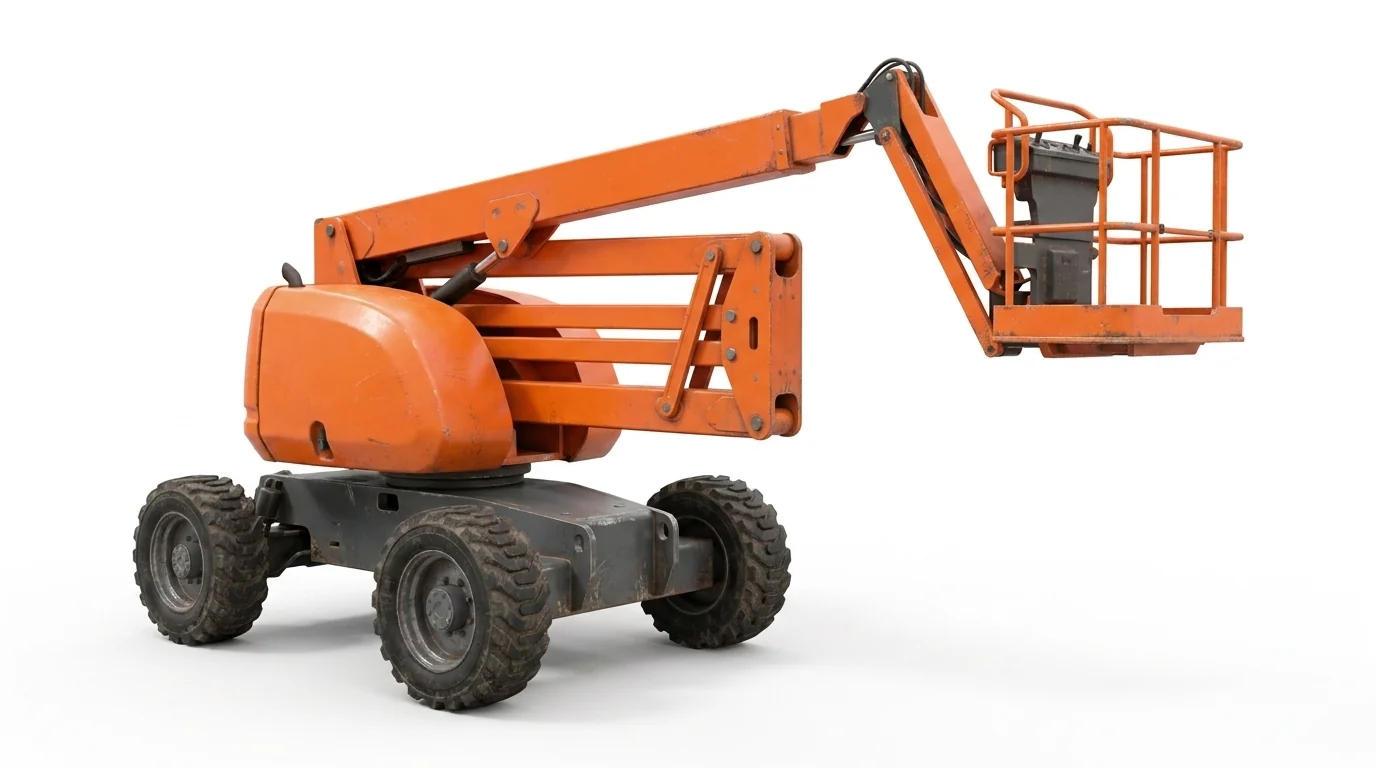
Open approach, consistent setback, and elevated targets favor telescopic lifts. On large pads around logistics hubs and medical construction, straight booms cover perimeter lighting, signage, and exterior skin tasks with fewer repositionings than articulated units.
Plan around: - Required horizontal reach from the nearest safe set position - Ground conditions along the approach path, including curbs and soft soils - Work envelope clear of power lines, roof overhangs, and pipe bridges
Local ground and weather considerations
Seasonal storms can leave saturated pockets on otherwise firm loam. For exterior work, 4WD rough‑terrain models with appropriate tires and oscillation handle uneven grades and wet spots better than slab machines. Heat and humidity lengthen cool‑down intervals; hydraulic and engine systems may require conservative duty expectations during peak afternoons.
Height and jib positioning
Telescopic booms provide a direct stick with optional jib for final trim. If the task is centered on a plane—panel setting, sign frames, long-run painting—straight geometry simplifies landing the platform square to the work. Where the target hides behind parapets or conveyors, an articulating boom may be more practical; compare at /articulating-boom-lift-rental/.
Power source selection
- Diesel or dual-fuel: best for exterior, long reach, and variable grades
- Electric or hybrid: suitable near large door openings or partially enclosed bays where emissions sensitivity exists, with awareness that heat and humidity can limit battery efficiency
Related categories
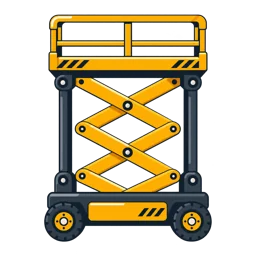
- For indoor slab elevation with minimal reach, see /electric-scissor-lift-rental/
- For compact up-and-over inside tight plants, see /articulating-boom-lift-rental/
- Browse more options at /boom-lift-rental/ and /aerial-lift-rental/
Actual conditions, the selected unit’s instructions, and site procedures govern final suitability.